Thermal performance is often framed around insulation and wall build-ups. But one of the most effective moves happens much earlier – deciding where structural columns are placed.
When columns cut through the external wall line, they interrupt insulation and create thermal bridges. That leads to higher heat loss and pushes designers towards thicker, more complex walls to compensate.
By keeping columns within the thermal envelope wherever possible, insulation can remain continuous. The result, better fabric performance, simpler detailing and slimmer external walls that still meet regulations.
It’s a clear example of how early structural decisions can deliver lasting performance benefits.
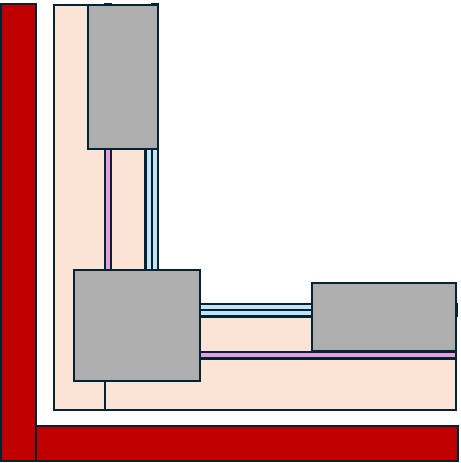
Figure 1: Bad placement. Encroaching into external wall buildup. This would lead to poor psi-values and u-values. Leading to the need for thicker external wall build-ups to meet project targets.
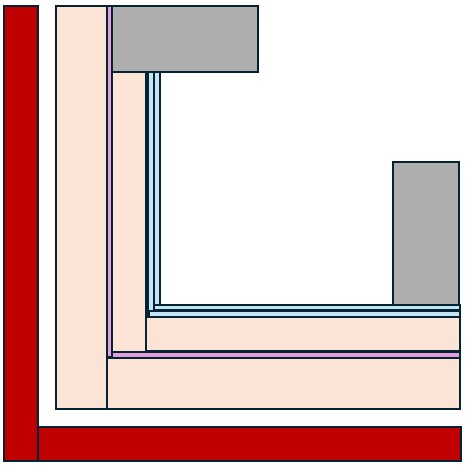
Figure 2: Better positioning of columns. Moving columns internally and perpendicular to the external line minimising encroachment into the external wall build-up keeps the insulation layer continuous and improves u-values. Removing large columns from corners or openings will enable better psi-value performance.
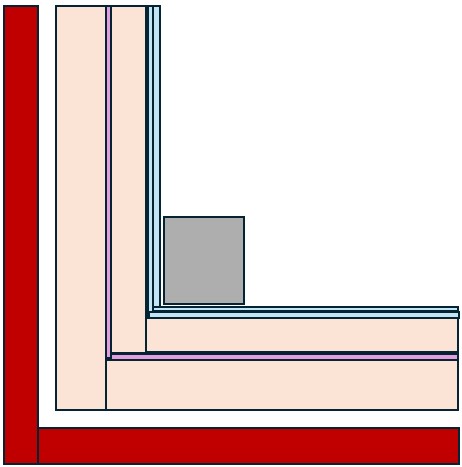
Figure 3: Most optimal. Keeping columns out of the external line is the most optimal. This would enable a thinner external wall build-up to be proposed as thermal bridging/psi-values and average external wall performance would reduce. This would also reduce loss of internal floor area.
Posted on April 29th, 2026
Author: Daniel Berkow
Related services: Thermal Bridging Analysis, Thermal Modelling,